







Search Results for: Impact Control

The Complete Guide to Buying a Dripper: The Profound Impact of Cone Shape, Internal Ribs, Hole Design, and Material on Extraction Flow Rate and Temperature Control
Faced with drippers of all shapes and sizes on the market, friends new to pour-over coffee are often baffled by names like V60, Kono, and Origami, along with materials such as ceramic, resin, and metal. This article starts from the fundamental structure of the dripper, breaking down what the cone shape, internal ribs, bottom hole, and construction material each mean. You'll come to understand that these designs ultimately point to two core factors: flow rate and temperature control, and grasping the differences in thermal conductivity and specific heat capacity can help you match a more suitable dripper to your brewing method. Front Street Coffee takes you through the principles so you no longer follow trends blindly, and find that perfect cup of coffee of your own. [more…]
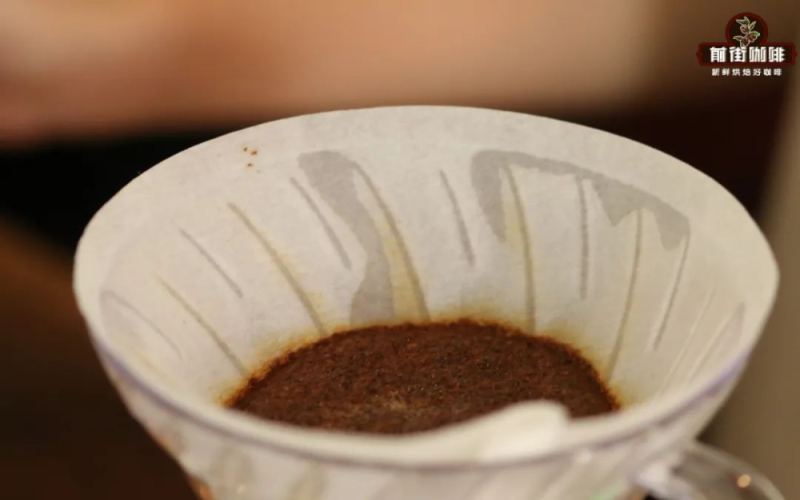
How to Control the Blooming Stage in Pour-Over Coffee? A Detailed Explanation of the Actual Impact of Water Volume, Duration, and Technique on Flavor
Blooming is a key step in pour-over coffee that affects extraction stability. By releasing carbon dioxide trapped in the coffee grounds, it creates the conditions for the smooth release of flavor compounds later on. But blooming is not absolutely necessary—the "one-pour" method previously shared by Front Street Coffee can skip this step entirely. So how exactly should you control the water amount, timing, and technique during blooming? Using 2x the coffee dose and 30 seconds as standard references, this article analyzes one by one the specific changes in coffee flavor when the water amount is too little or too much, and when the time is too short or too long, and offers pouring suggestions suitable for beginners to help you make more accurate judgments in actual practice. [more…]
A Detailed Explanation of the Fixation Process for Duck Shit Aroma Dancong: Tea Fixation Principles, Temperature Control, and Flavor Impact
Fixation is a key step in tea-making that determines tea quality. It uses high heat to deactivate polyphenol oxidase, preventing the tea leaves from continuing to ferment and turn brown. Different fixation methods—steaming, pan-firing, and baking—give tea leaves distinctly different aromas and flavors. Japanese green tea uses steaming to preserve a fresh, plant-like aroma, while Chinese green tea uses a wok or oven to bring out roasted nut and floral notes. Starting from the principles of enzymatic browning and combining them with the actual production of Duck Shit Aroma Dancong, this article analyzes how fixation temperature, time, and technique affect the final flavor, and shares Front Street Coffee's craft insights in Dancong production, helping coffee enthusiasts understand the underlying logic of flavor formation from another perspective. [more…]
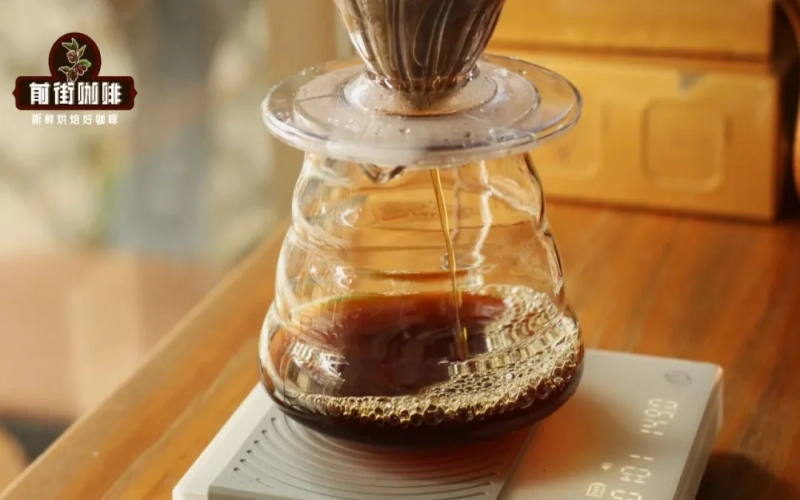
A Complete Analysis of Pour-Over Coffee Water Pouring: How Position, Path, Height, and Flow Rate Affect Extraction
Many friends who are teaching themselves pour-over coffee at home often run into a problem: even when the parameters match those recommended by Front Street stores, the coffee they brew comes out inconsistent—sometimes good, sometimes bad. The reason is mostly that the water flow is not stable enough during pouring. The position, path, height, and size of the pour all directly affect the evenness of extraction and the flavor expression of the coffee. SCA experimental data shows that the higher the stability of the water flow, the higher the extraction evenness. Starting from the brewing practice with Front Street’s Little Tomato coffee beans, this article systematically analyzes how the four major elements of pouring affect extraction, and gives specific operational suggestions to help you consistently brew a delicious cup of pour-over coffee. [more…]
The Complete Guide to Pour-Over Coffee Water Pouring: Analyzing the Core Techniques of Position, Path, Height, and Flow Rate
Many coffee enthusiasts who practice pour-over at home often struggle with inconsistent flavor even when their parameters match those used in cafés. The root cause usually lies in the water stream not being stable enough during pouring. In fact, the position, path, height, and size of the pour all directly affect the extraction. SCA experimental data shows that the higher the stability of the water stream, the higher the extraction uniformity. This article draws on the hands-on experience of Front Street cafés to systematically explain how to stabilize the brewing of a delicious pour-over coffee through precise control of pouring. Whether you are a beginner or an advanced player, mastering these pouring essentials can take your coffee quality to the next level. [more…]

Pour-Over Coffee Water Pouring Techniques | How Should Coffee Beginners Learning Pour-Over Coffee Pour Water? What Details Should Be Paid Attention to When Pouring Water in Pour-Over Coffee?
At Front Street Coffee shops, we often meet friends who have been teaching themselves pour-over coffee at home and come to discuss brewing-related questions with us. Many of them say that although the parameters they use are exactly the same as those we recommend in the shop, the coffee they brew always tastes inconsistent—sometimes good, sometimes bad—and they have no idea where the problem lies. In cases like this, [more…]
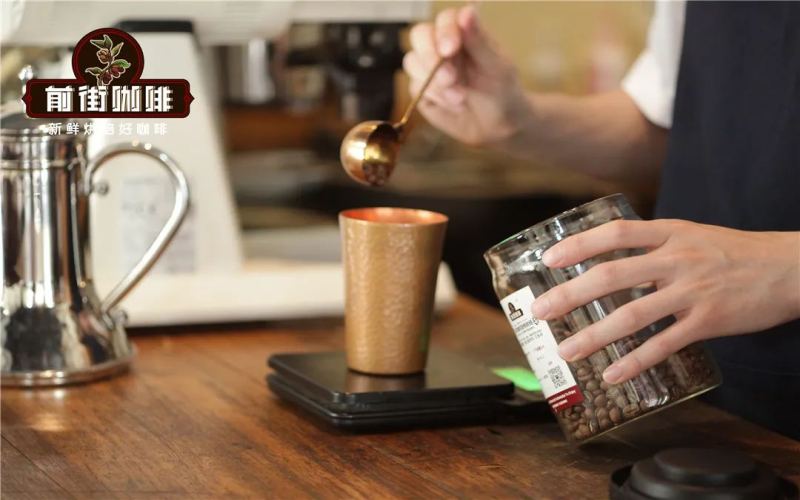
Brewing Time | The Impact of Pour-Over Coffee Brewing Time on Extraction Flavor: When Does Brewing Time Start Counting?
There are many important parameters in coffee brewing. If you want to enjoy a delicious cup of coffee, you need to precisely control the brewing parameters and follow them as closely as possible during brewing, so that you can have a high probability of getting a tasty cup of coffee. Among these, brewing time is crucial for pour-over coffee. Regarding the coffee dose, [more…]
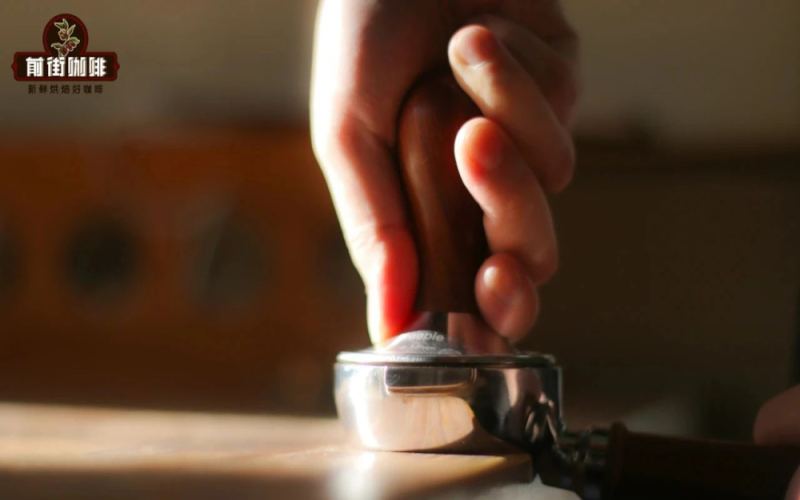
Espresso Tamping Techniques Explained: Pressure Control, Distribution vs. Tamping, and Impact on Extraction Stability
In the process of making espresso, tamping is one of the key steps that determines the success or failure of extraction. Tamping too lightly will cause the flow rate to be too fast and the flavor to be weak; tamping too heavily may make the coffee bitter and hard to swallow. In this article, Front Street Coffee will systematically explain the true purpose of tamping, the difference between distribution and tamping, the correct way to use a tamper, and the actual impact of tamping force on the extraction result. Through comparative experiments, we will guide you to understand the significant differences in flow rate and flavor between espresso extracted without tamping and with tamping, helping coffee lovers master more stable and more professional barista techniques. [more…]
The Complete Process of Washed Yunnan Arabica Coffee: From Harvesting to Fermentation and Mucilage Removal—Processing Characteristics and Flavor Impact
As the coffee harvest season draws to a close, this article systematically reviews the wet processing steps after picking in Yunnan. From floating the fresh cherries in water and removing the pulp, to the crucial demucilaging and fermentation stages, it breaks down the practical operations and quality control points of washed processing step by step. Fermentation time fluctuates between 6 and 72 hours, affected by temperature, the amount of mucilage, and enzyme concentration; seizing the right moment to end it directly determines the direction of the coffee's flavor. The article also explains the negative effects of under-fermentation or over-fermentation on coffee quality, as well as the moderating effect of the soaking step on bitterness, helping coffee lovers understand the craft logic and flavor formation behind the washed processing of Yunnan Arabica coffee. [more…]
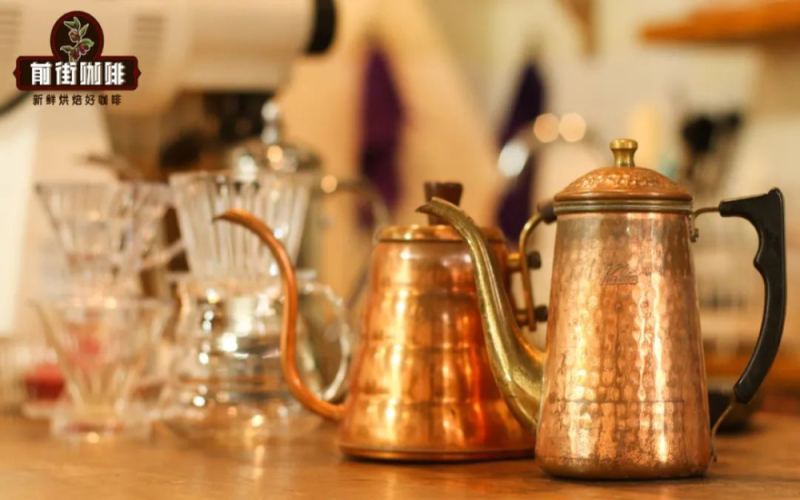
Pour-Over Coffee Equipment Buying Guide: How to Choose a Grinder, Gooseneck Kettle, Dripper, and Digital Scale
Want to get into pour-over coffee but feel overwhelmed by the dizzying array of gear on shopping platforms? On a limited budget, what should you prioritize, and how should you allocate your spending for the best value? Front Street Coffee breaks down the most essential pieces of pour-over equipment for you: the grinder, which determines the ceiling of flavor; the pouring kettle, which affects your pouring feel; the dripper, which influences filtration; and the digital scale, which makes your data visible. Starting from a ranking of importance, this article explains the key points for choosing each piece of gear and offers advice on pitfalls to avoid, helping you build a truly practical pour-over setup within a limited budget—so you take fewer detours and brew a delicious cup as quickly as possible. [more…]
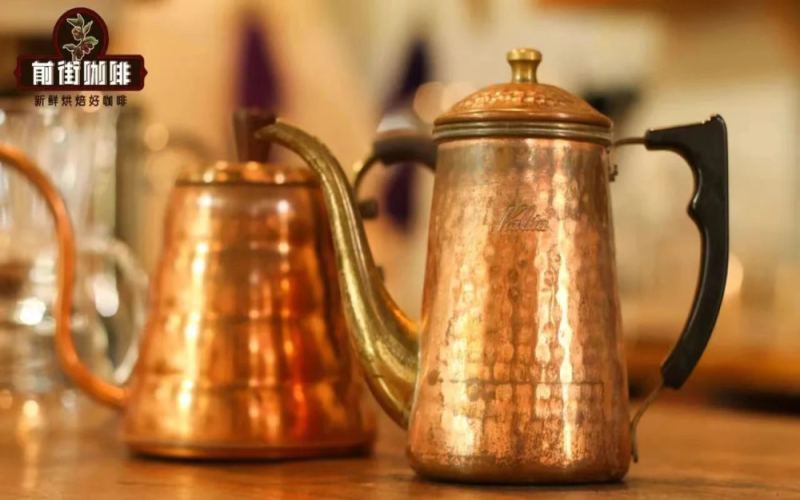
How to Choose the Right Pour-Over Kettle for Your Home Coffee Corner? A Comprehensive Guide from Temperature Control and Spout to Material
Creating a coffee corner at home—a handy pour-over kettle often determines how smooth your brewing experience will be. Faced with the dazzling array of options on the market, everything from temperature-controlled versus non-temperature-controlled, spout shape, body capacity, handle design, to material differences will affect water flow control and ease of use. This article will systematically sort out the key dimensions for choosing a pour-over kettle, helping beginners and advanced enthusiasts find the one that suits them best, and also includes Front Street Coffee's recommended flavor progression for beginner coffee beans, making it easier to pair your equipment with your beans. [more…]

Indonesian Protest Wave Hits Coffee Industry: Exports Plunge by More Than Half, Casting a Shadow Over Origin Prospects
Large-scale protests erupted in multiple parts of Indonesia against the amendment to the Regional Election Law, and the situation in front of the Indonesian parliament building in Jakarta briefly spiraled out of control, with more than 300 people arrested. This political turmoil comes just as Indonesia's coffee industry faces severe challenges—exports from the Sumatra production region plunged by more than 50% year on year, and compounded by high global robusta prices and the Red Sea crisis, Indonesia's coffee market remains sluggish. The protests have affected union participation and obstructed logistics, and industry insiders are generally pessimistic about the outlook for the coffee industry. This article will sort out the ins and outs of the incident and its deep impact on the coffee industry. [more…]
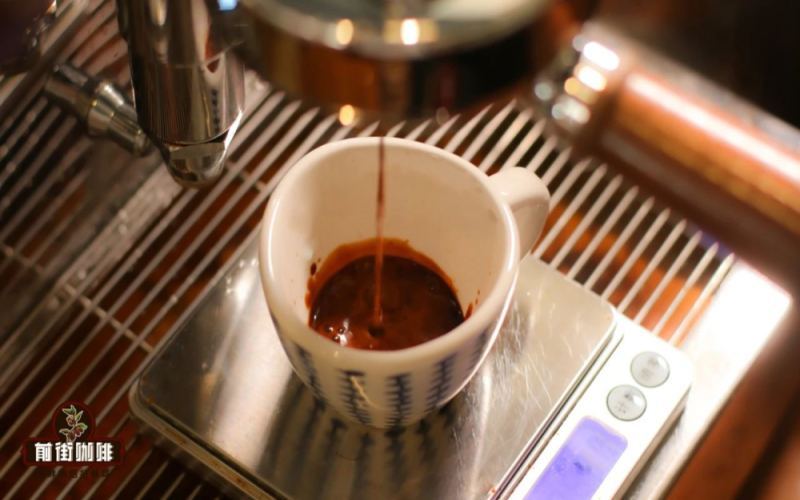
Exploring the Root Causes of Espresso Extraction Flow Rate Variation: The Impact of Grinder Hopper Pressure on Coffee Flavor Stability
In the daily operation of a coffee shop, many baristas have encountered this troubling issue: an espresso extraction recipe that was just calibrated in the morning gradually speeds up as more shots are pulled, with the time running several seconds shorter than the preset parameters. This unstable extraction phenomenon is often closely related to pressure changes inside the bean hopper of an espresso grinder. Front Street Coffee has observed in daily practice that the amount of coffee beans piled in the hopper directly affects the uniformity of grind particle size, which in turn changes the extraction rhythm and flavor performance of espresso. This article will take an in-depth look at how hopper pressure affects grind quality, explain the underlying logic behind fluctuations in extraction flow rate, and share practical adjustment ideas for stable output, helping coffee enthusiasts and professionals better understand variable control in espresso extraction. [more…]
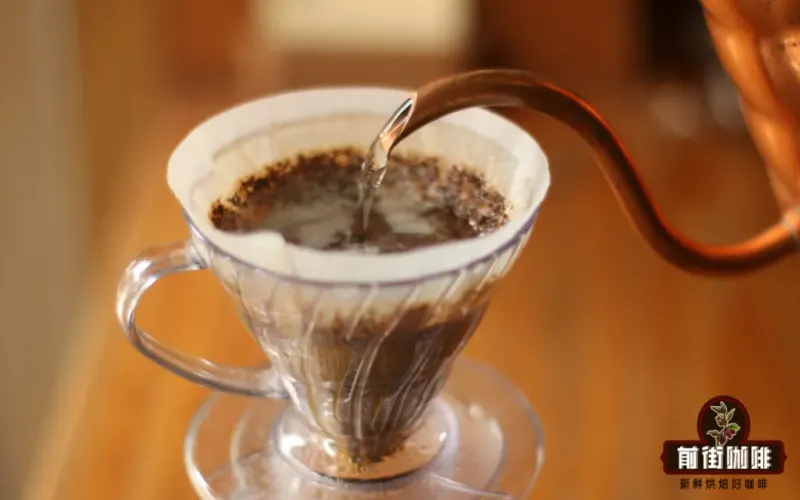
A Complete Guide to Pour-Over Coffee Water Pouring Techniques: The Key to Even Extraction and the Real Impact of Flow Rate on Flavor
Many people believe that as long as they buy good-quality coffee beans, it will not taste bad no matter how they brew it, but this is not the case. Pouring water itself is an extremely critical extraction variable; it determines whether the coffee grounds can be extracted evenly and also directly affects the flavor performance in the final cup. Just as a chef constantly tosses food in the wok to heat it evenly when cooking, the pouring motion in pour-over brewing also requires different flow rates and strength at different stages to regulate the process. Starting from the fundamental purpose of pouring water, this article will explain why pour-over coffee requires attention to the pouring method, and specifically analyze the difference between a strong flow and a gentle flow, helping you understand how to achieve even extraction through flow control while avoiding the extraction of unpleasant substances. [more…]
The Impact of Coffee Ground Bed and Bed Wall Thickness on Flavor in Pour-Over Coffee and an Analysis of Brewing Techniques
After brewing a pour-over, observing the shape of the coffee bed left in the dripper is a habit for many coffee enthusiasts when reviewing their brewing process. The thickness of the coffee bed wall is not accidental; it is closely related to the pouring flow rate, the size of the pouring circle, and the roast level of the coffee beans. This article starts with the causes of the coffee bed wall, analyzes the extraction logic behind different coffee bed wall shapes, and combines brewing experiments from Front Street Coffee to explain the actual differences in flavor direction caused by large-circle versus small-circle pouring. Finally, it offers pouring recommendations for beans of different roast levels, helping you control water flow and flavor more consistently in your daily brewing. [more…]
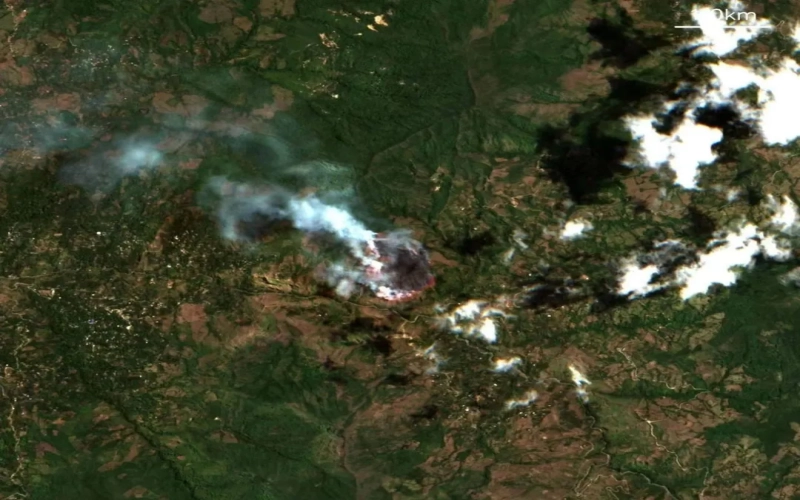
Wildfires Rage in Cauca, Colombia: Coffee and Sugarcane Crops Severely Damaged, Regional Situation Draws Attention
A large-scale forest fire recently broke out in the mountainous area of Bolívar Municipality in Cauca Department, southwestern Colombia, and the fire remains out of control. According to the local mayor, this is the most serious fire the municipality has seen in more than 30 years, with about 2,500 hectares of land destroyed and large amounts of sugarcane and coffee crops damaged, and the fire has already spread to Valle del Cauca Department. Because the ignition area is close to a nature reserve, nearby important water sources may be affected, and due to the complex mountainous terrain, firefighters are finding it difficult to gain access, making firefighting efforts very difficult; aerial support has now been requested. Notably, the Colombian government's ceasefire agreements with several anti-government armed groups have recently been terminated one after another, intensifying armed conflict, and many people suspect this forest fire is related to the conflict. Cauca Department, Valle del Cauca Department, and Norte de Santander Department are all important coffee-producing regions in Colombia. Although the conflict has not yet directly threatened coffee estates and smallholder production, the winter harvest season is approaching in September, and the impact of the mountain fire on output cannot be ignored, and may further drive up already continuously rising coffee purchasing prices. [more…]
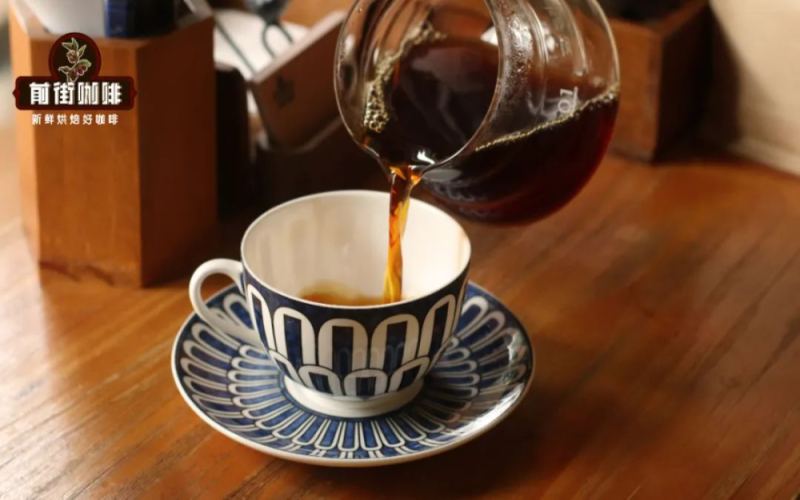
From Water Flow to Flavor: The Practical Impact of Different Pouring Strategies on Coffee Extraction Results
The pouring technique is an extremely critical variable in pour-over coffee extraction. The size of the water stream, the speed of the circular motion, and the rhythm of pouring all directly affect the release efficiency of soluble substances, thereby changing the final flavor direction. This article starts with several typical pouring styles—high-flow fast circling, low-flow steady pouring, and common mistakes in staged remediation—and analyzes the actual effects they bring during extraction. At the same time, specific operational suggestions are given for different roast levels: how medium-light roasts can highlight floral and fruity acidity through staged large-circle pouring, and how medium-dark roasts can use a coin-sized thin stream in circular motion to strengthen the nutty and chocolatey base notes. Through these analyses, the hope is to help enthusiasts control flavor expression more precisely in daily brewing. [more…]
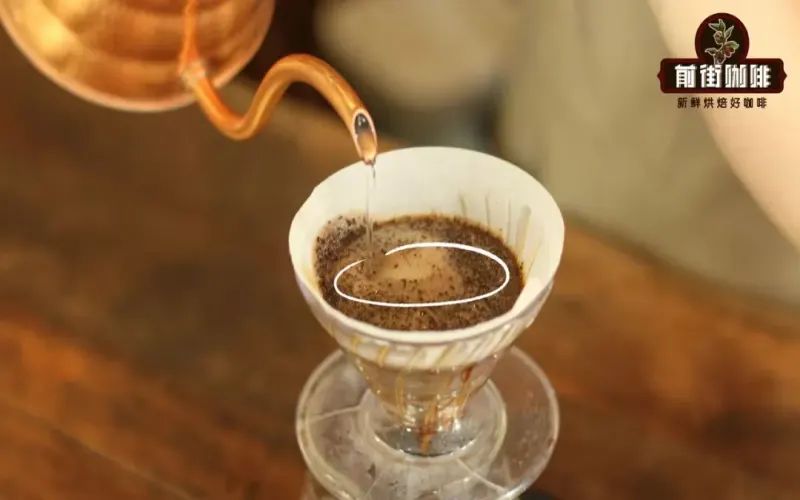
The Principles and Practice of Circular Pouring in Pour-Over Coffee: How the Pouring Path Affects Extraction
The unique aspect of pour-over coffee lies in the need for manual pouring to complete the extraction. Beyond common parameters such as time, ratio, grind size, and water temperature, the pouring path also plays a role in the final flavor that cannot be ignored. Many people naturally pour in a circular motion during brewing, but may not fully understand the logic behind this action. In this article, Front Street provides a detailed analysis of the two main reasons for circular pouring, explaining how the water flow path changes the concentration distribution and the rate of substance release within the dripper, helping coffee enthusiasts understand the practical impact of this basic operation on extraction results, so they can more consciously control their pouring method in daily brewing. [more…]
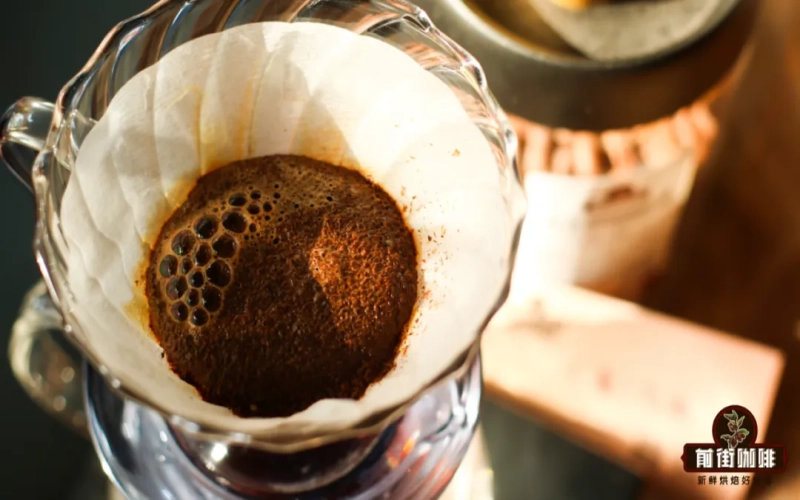
How to Control Pour-Over Coffee Extraction Time? Is 2 Minutes the Golden Standard and How to Respond to Over-Extraction
The brewing duration of pour-over coffee has always been a focal point for enthusiasts: what should you do if the coffee hasn't finished draining after 2 minutes? How long is considered normal for brewing? Starting from Front Street's brewing practice, this article analyzes the impact of time on extraction, explains why 2 minutes is often regarded as a reference standard, and also points out that time is not the only variable. Using light-roasted Huakui and Guodingding as examples, it demonstrates how to match different bean conditions by adjusting water temperature, grind size, dripper, or staged extraction, helping readers understand the importance of parameter coordination rather than obsessing over a single time metric. [more…]
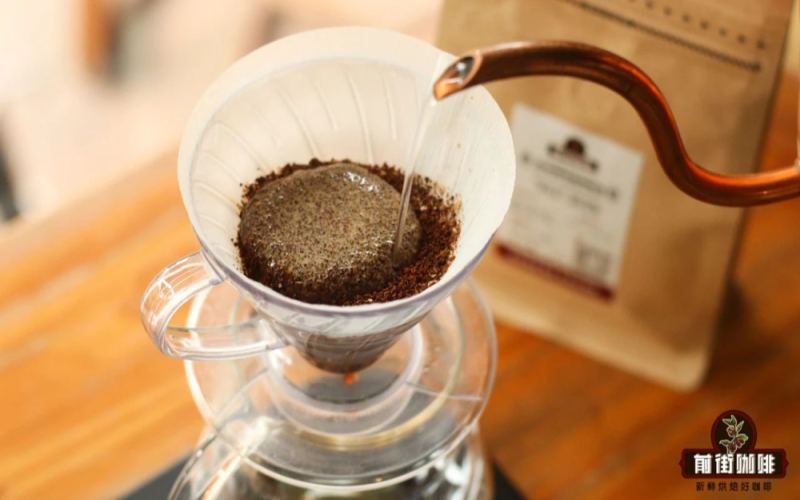
Learning Pour-Over Coffee from Scratch: A Complete Step-by-Step Process and Practical Water Flow Control Techniques
For friends who are just getting into pour-over coffee, everything from choosing equipment to pouring technique can become a stumbling block. Many people piece together what they learn from online videos, taking plenty of detours before gradually figuring out the tricks of the trade. In fact, as long as you sort out the order of the brewing process and master a few key techniques, getting started isn't as difficult as you might imagine. Drawing on the practical experience of Front Street Coffee, this article systematically lays out the basic steps of pour-over coffee, focuses on the core challenge of water flow control, and shares insights on selecting and modifying the spout of a pouring kettle, helping beginners pour a steady stream of water in the shortest time possible and making every cup of pour-over more reliable. [more…]